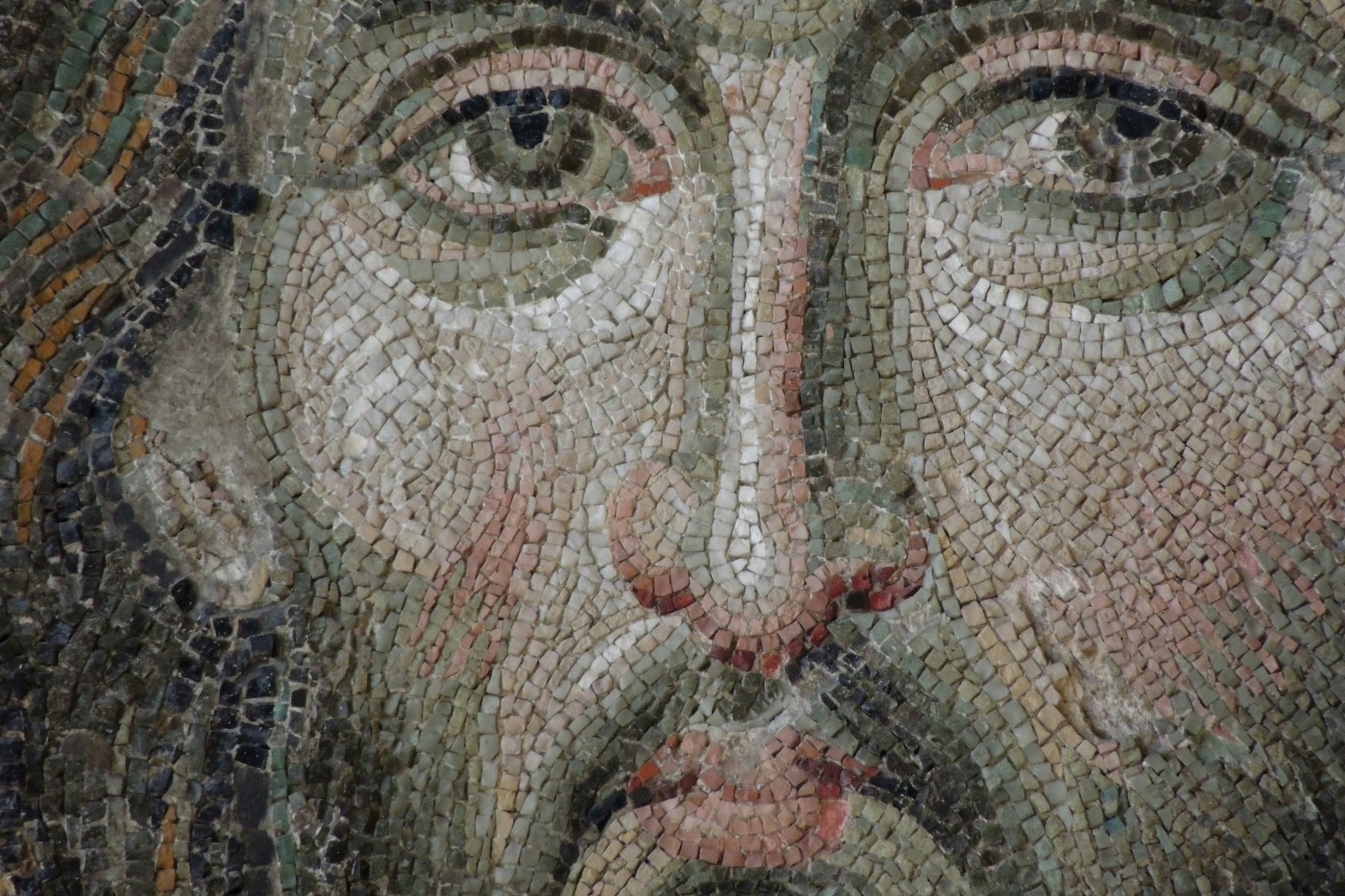

Thomas Griffin 7/3/26
Join Our Email List
Get new content delivered directly to your inbox to help grow your faith in practical ways.
The Empty Tomb Project is a non-profit organization – 501(c)(3) – please support our mission by making a tax-deductible donation. DONATE HERE online or find out how to mail us your donation.

On the night of that first Easter Sunday, Thomas was not present when Jesus appeared in the locked upper room and showed the disciples his wounds. He breathed on them and gave them his peace (John 20:21). When the other disciples approached Thomas and relayed to him what they had seen he did not believe. Here, we are provided with the reason why he is referred to as “Doubting Thomas.”
The doubting apostle made the proclamation that has been repeated in some way, shape or form by countless doubters and echoed down the centuries as the cry of those who preach that if God was real and loved us he would not let bad things happen to good people. Thomas stated, “Unless I see the mark of the nails in his hands and put my finger into the nail marks and put my hand into his side, I will not believe” (John 20:25). He gave God an ultimatum: “physically show me that you are real and alive or I am not buying it.”
Doubt is defined as “to call into question the truth of: to be uncertain or in doubt about.” For Thomas, we don’t know exactly what played into his stubborn stance against believing in what his fellow apostles and friends told him. For he traveled with them and Jesus for three years. He knew what Jesus was capable of, he heard him preach throughout Galilee and he saw him do things that should have been impossible.
And yet, when Jesus rose from the dead and appeared to all the disciples but him, he refused to believe. Was he obstinate to believing because he was offended that Jesus, who knows all things, would choose to reveal himself without Thomas present. Was he so scarred by the arres, crucifixion and burial of Jesus that his grief made him think it was absolutely impossible for someone to live past such an event?
The doubt of Thomas reveals a lot about religious distrust and it can be applied to many challenges that people have with faith today.
First, Thomas is stuck in his stance. He sets himself in stone and is outwardly stubborn, stating that he will not believe unless he sees the wounds of Jesus. Here, we see the first temptation that modern man is inclined to consider when it comes to faith in God. We can too easily come up with an ultimatum that we place on God while choosing disbelief over trust.
Healthy doubt – the questioning, through inquiry whether or not something is true or false is a good way to approach topics of religion. The Catholic faith holds that there is no contradiction between faith and reason. For both have their royce in the same thing: God. If the God who reveals Himself in Jesus and through the Scripture is the same God who made the universe, then how could there be logical flaws in either?
The problem is not that faith is illogical but that sometimes people can place demands on faith that it does not attempt to make or answer. Some can come with preconceived notions or stances that they refuse to amend when investigating faith. Such a stance is like Thomas’ ultimatum that he placed on the apostles and it must be avoided at all costs.
Second, Thomas bases faith on his need to be an eyewitness. If he does not see it with his very own eyes then it must not have happened. The Christian faith is unlike any other religion because Jesus was a historical person who claimed to be God. Christianity is based on the Bible but, more so, it is a religion of historical events that had eyewitnesses. Christian hold that the eyewitness’s testimony is accurate, reliable and convincing.
Something we must avoid, however, is a demand that we must be an eyewitness otherwise we will not believe. For most items of belief that we hold to be objectively true are not based on what we have seen with our own eyes. Truth does not demand that we experience it ourselves but that the claim is logical and that those who did experience it have been vetted and their accounts are accurate.
Luckily, for Thomas, Jesus did appear and granted him the gift of literally placing his finger inside of Jesus’ wounds. While we cannot physically do that today – Jesus does leave us avenues to encounter him in our doubt. Whether that is daily prayer, reading the Bible or the sacraments – we can meet him like Thomas did. When we do, we ought to bring our doubts to him while trusting that belief in him is both logical and based on true testimony from eyewitnesses.
Thomas Griffin is the Founder and President of Empty Tomb Project, Inc. He has a masters degree in theology and is a masters candidate in philosophy. Thomas is the author of Let Us Begin: Saint Francis’s Way of Becoming Like Christ and Renewing the World.
Join Our Email List
Get new content delivered directly to your inbox.

