
Thomas Griffin 6/6/24 (From the May Magazine)
Join Our Email List
Get new content delivered directly to your inbox.
Read “Empty Tomb Project: The Magazine”
In Matthew (10:5-15), Mark (6:7-13), and Luke (9:1-6) there comes a point when Jesus has taught his disciples well and he gives them the task of continuing to spread his message of the Kingdom of God. He wants them to tell others about who he is. He wants them to change their lives because they have forgotten about God. All of these accounts speak about Jesus giving them instructions for their journey. He tells them not to take much with them and then Jesus explains that there will be towns that accept them and their message, and there will be towns that do not accept them and their message.
The latter will be places that may even be hostile towards them. It is very interesting to note that Jesus does not say “If” you enter a town that does not welcome you. The translation usually says, “Whatever town,” or “When you enter,” a place that does not welcome you. In other words, before he sends them out on this mission Christ tells them that they will face adversity and challenge. Jesus gives them full warning about what they are going to face. Opposition is a guarantee.
I always wondered why Jesus was so specific about those who would oppose him? I mean we know that Jesus is fully human and fully divine. In his divine nature he knows what will happen to them, but do the disciples really need to know about it before they go? Wouldn’t it be more positive to talk about and focus on the great places and people the disciples will encounter? Why does he focus on the negative ones and the tough ones as his friends are leaving for an exciting mission?
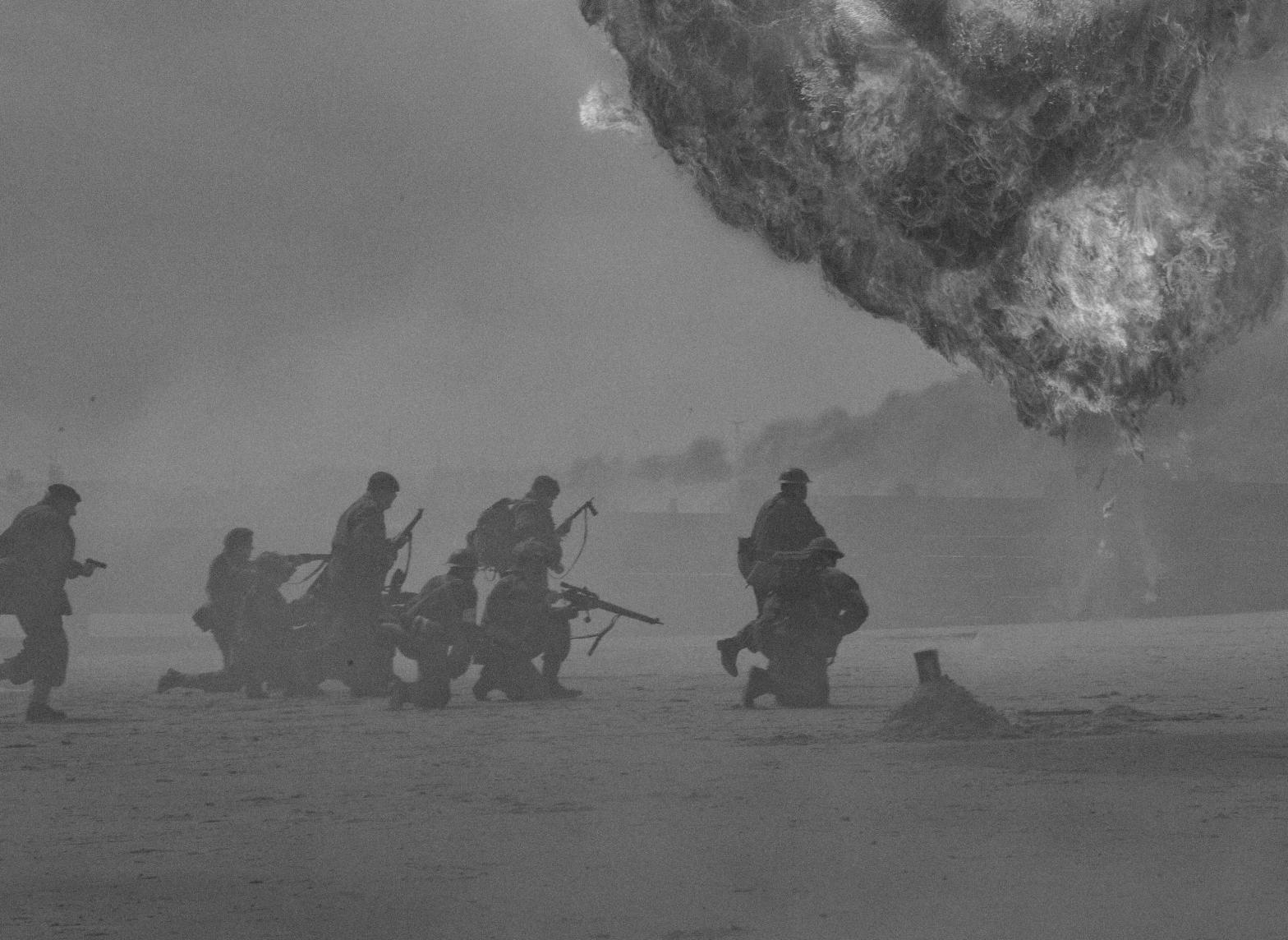
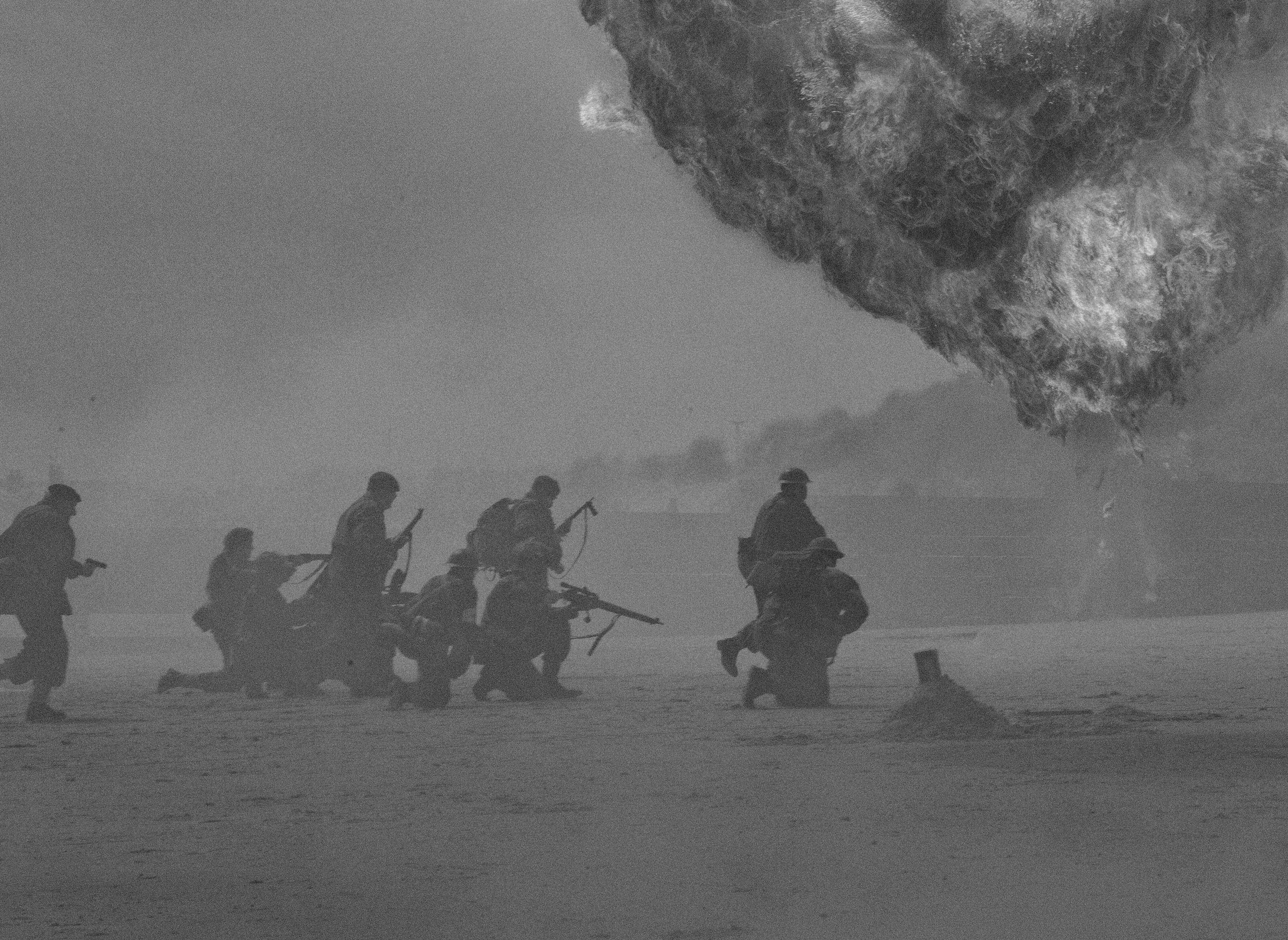
On June 6, 1944 we will remember the 80th anniversary of D-Day. Over 150,000 Allied troops were transported on 5,000 boats that stormed the beaches of France. They faced unprecedented odds because of new weapons that had been produced by the Nazis. Hitler was able to produce the newest machine guns that fired around 1,200 bullets a minute (20 bullets a second). The Axis Powers strategically placed these weapons and pointed them to the shoreline of France in anticipation of an attack.
The troops who were storming the beach that June day and who were headed to the frontlines knew all about these horrific weapons. The Allies had the intelligence about what they would be facing – what the bullets would do if they pierced their flesh. The General’s involved knew exactly what they were all up against.
This fact is why the pictures from the day of this invasion are so captivating and inspiring. Especially any photos taken of the boats as they are a distance from the shore. Since the invasion was so important, the Army had created special boats to protect the men from fire as they approached the beaches. These boats had high walls so the men would be protected from gunfire.
However, it also disabled them from seeing what exactly was in front of them. The gate would be in the front of the boat and all the soldiers would be facing in the same direction as they drew closer and closer to the drop off point. The soldiers would only be able to see the back of the head of those in front of them as they were waiting, and waiting, and waiting for the command to be sent into the frontline.
They were waiting for the moment to storm the beach.
They all knew that they would be staring down the barrels of these lethal, lethal weapons. The soldiers knew that they were up against extremely difficult odds, but they stormed the beach anyway.
The Gospel passages referenced above are often labeled “The Mission of the Twelve.” Specifically in Mark’s Gospel, Jesus first calls the apostles to himself and then he sends them out on their mission. It is important to note that he is sending them out directly after he had gone back home to Nazareth. When he goes to his hometown people reject him; they want nothing to do with him actually. Now he is sending out his followers and he tells them to go out two by two and take barely anything with them. He describes situations where some people will accept their message, but then he quickly moves on to the fact that many places will reject you: just like he just experienced in Nazareth. Many people will not welcome them or listen to them. Jesus knows that they are going to face their own frontline, their own gun fire. Jesus sends them anyway, he calls on them to storm the beach.
A phenomenal book to read about “going on mission” is called Resilience: Hard-won Wisdom for Living a Better Life written by a former Navy seal. This is what he says about frontlines:
“As Navy SEALs, we understood the word “frontline” to mean the place where we met the enemy. The frontline was where battles were fought and fates decided. The frontline was a place of fear, struggle and suffering. It was also a place where victories were won, where friendships of a lifetime were forged in hardship. It was a place where we lived with a sense of purpose.
But “frontline” isn’t just a military term. You have a frontline in your life now. In fact, everyone has a place where they encounter fear, where they struggle, suffer and face hardship. We all have battles to fight.
And it’s often in those battles that we are most alive: It’s on the frontlines of our lives that we earn wisdom, create joy, forge friendships, discover happiness, find love and do purposeful work. If you want to win any meaningful kind of victory, you’ll have to fight for it.”
The frontline is scary – battles are not fun. But Jesus sent the disciples there anyway, to storm the beach, because he knows the consequences: he knows that victory will come from it. At D-Day the Allied troops won. Most scholars and historians agree that this was the turning point of the War, of defeating Nazi Germany. The frontline is scary, but it is always worth it.
Jesus does not ask us to enter our frontlines alone. For this reason he sends the disciples out in pairs because he knows they will need support. This is why community is such an important part of our Catholic faith and this is why we worship together as a Church each Sunday. When we all come together for Mass, Jesus really and truly shows up, and we actually get to receive him. He is the strength for our victory on the frontlines of our lives.
Out in the world today, it is tough and it is really hard to remain faithful. The Catholic faith, what Jesus said and who he is, is counter-cultural. Many people do not like the Church or religion at all, for that matter. Many people think that we are fools for what we believe in this day and age. Whether it is at work, school, home or just hanging out with friends, wherever people tend to degrade the Church, Christ, or truth, whenever people single you out for going to Mass or for what you believe or for standing up for what is right or holy or just plain good. That is your D-Day. That is your frontline. That is where Jesus is sending you.
As Jesus said, it is not a matter of “if” you will face rejection for your faith, or if you have a frontline in your life. It is a matter of confronting the frontline in your life, looking at it, and having the strength and the courage to storm the beach anyway.
God constantly comes to us, Ge chose us, we did not choose Him (John 15:16)). He comes to us for a specific reason: to bring us to Himself. Then He sends us out to get others. Our faith is all about the frontline, it is all about being sent. God is constantly being sent to us, and now it is our turn to go out for Him and spread His message of truth and love.
Find your frontline, find your beach.
And storm it.
Thomas Griffin is the chairperson of the religion department at a Catholic high school on Long Island where he lives with his wife and two sons. He has a masters degree in theology and is the Founder and Editor-in-Chief of Empty Tomb Project: The Magazine.
Join Our Email List
Get new content delivered directly to your inbox.

