
Thomas Griffin 2/19/25
Join Our Email List
Get new content delivered directly to your inbox.
The Empty Tomb Project is a non-profit organization – 501(c)(3) – please support our mission by making a tax-deductible donation. DONATE HERE

Read “Empty Tomb Project: The Magazine”
Let Us Begin: New Book on the Life and Power of St. Francis
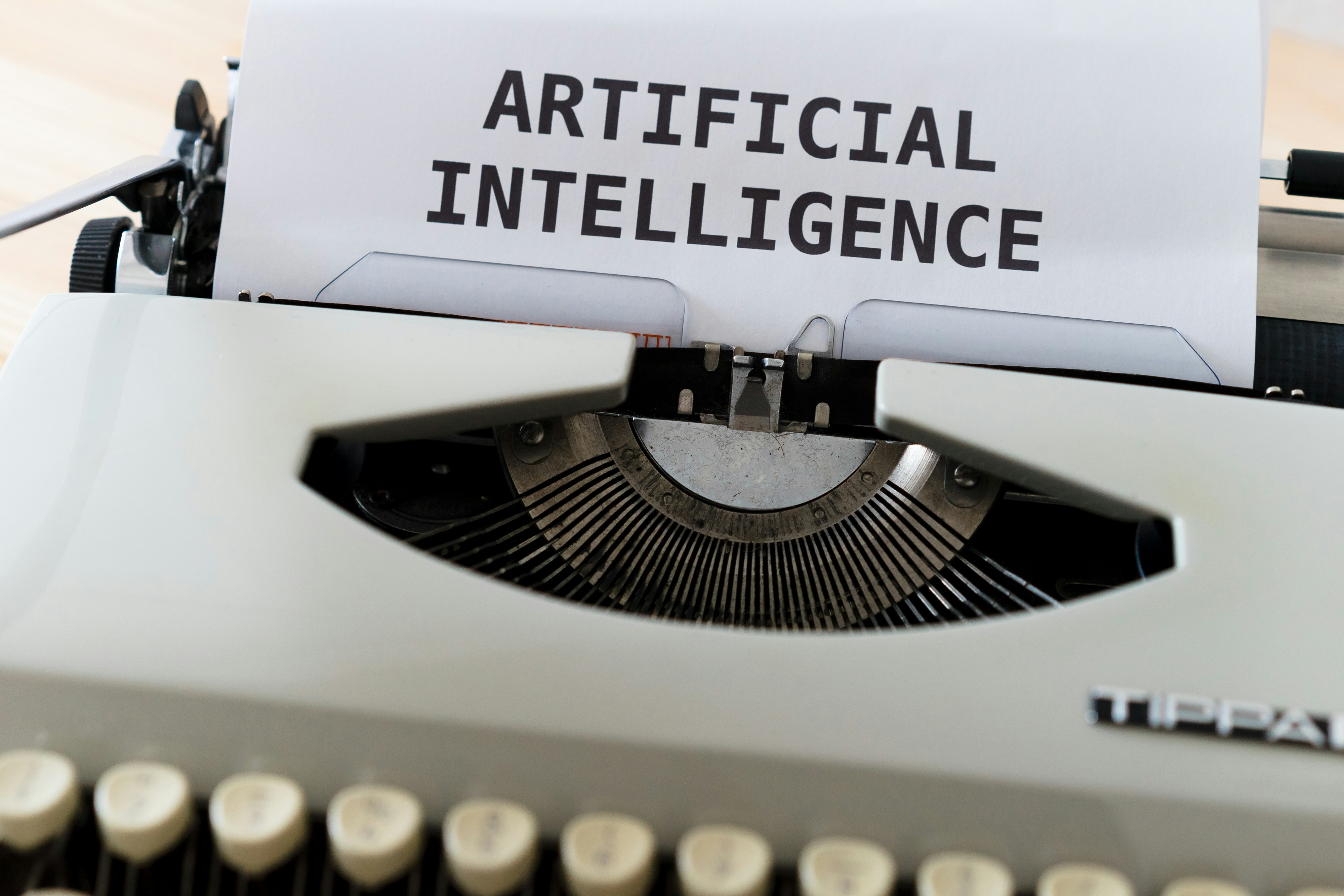
Artificial Intelligence is on the rise. From ChatGPT and DeepSeek to humanoid robots to electric cars that drive themselves – it seems like the future is here. Much of the new technology can make us feel as if we are living through a scifi movie. Some are worried about the rise of these technologies and some simply don’t know how to navigate them. Thankfully, we have the Catholic Church (meaning we have Jesus) to guide us.
In January the Dicasteries for the Doctrine of the Faith and for Culture and Education this January called Antiqua et Nova (A Note on the Relationship Between Artificial Intelligence and Human Intelligence). While it is important to read these Vatican documents and know what they say, it is first of all critical to remember that when the Church speaks, Christ speaks. This document calls for prudential judgment to be shown when dealing with AI, not because technology is evil but because our holiness depends on discerning all aspects of our lives.
It invites modern men and women to prayerfully reflect on its benefits and dangers. In doing so, it shows us what Christ shows us in the Gospels: we must make all things rooted in a close following after his heart. Taking a look at some of the excerpts from this document reveals how this can be achieved.
Towards the beginning, it states that “as AI advances rapidly toward even greater achievements, it is critically important to consider its anthropological and ethical implications. This involves not only mitigating risks and preventing harm but also ensuring that its applications are used to promote human progress and the common good” (Antiqua et Nova #4). Like all things that Christ said, we must consider how our actions will impact us as human beings made in God’s image and likeness as well as how our actions will make us more or less sanctified.
The rise of AI can be used as an opportunity to reflect on who we are and what we are called to. Human beings are not machines. Machines, however, can be used to aid human beings in flourishing. As technology advances quickly, the Church (Christ) invites us to remind ourselves how we are different from these intelligent creations. “In the case of humans, intelligence is a faculty that pertains to the person in his or her entirety, whereas in the context of AI, ‘intelligence’ is understood functionally” (Antiqua et Nova #10).
Human beings are also not valued based on their productivity or functionality. This is where this Vatican note on artificial and human intelligence truly shines. We are not the sum of our abilities and AI is not equal in dignity with human beings because of its capacity:
“This functional perspective is exemplified by the ‘Turing Test,’ which considers a machine ‘intelligent’ if a person cannot distinguish its behavior from that of a human.[11] However, in this context, the term ‘behavior’ refers only to the performance of specific intellectual tasks; it does not account for the full breadth of human experience, which includes abstraction, emotions, creativity, and the aesthetic, moral, and religious sensibilities (Antiqua et Nova #11).
It is most proper to view advances in technology, like artificial intelligence, as tools that can aid human beings rather than as entities that are equal to or more advanced than human beings. To say that AI is greater than the human mind is to simply admit that these machines have more access to facts than we do. That does not mean that AI is more intelligent than a human being; intelligence comes from not just what we know but how we know things.
Human beings absorb reality through their senses and retain events and knowledge into their consciousness. There is an immaterial nature to how we come to comprehend the truth about reality. While AI might be able to act in a similar and self-creative way, it is not a human being.
“A proper understanding of human intelligence, therefore, cannot be reduced to the mere acquisition of facts or the ability to perform specific tasks. Instead, it involves the person’s openness to the ultimate questions of life and reflects an orientation toward the True and the Good (Antiqua et Nova #29).”
It is this openness and willingness to wrestle with the questions of life itself that make us different from artificial intelligence. In fact, AI is dependent on our creation for its existence. It also depends on human beings feeding it the proper algorithms and knowledge for it to run properly. As God created us and sustains our existence at every moment, so AI depends on human beings for their creation.
All of these words above provide human beings with a pathway that aids us in growing in holiness while the world continues to advance in technology. Being aware of its growth is important, but remaining steadfast to our personal relationship with Christ is, ultimately, everything. So remember the priority of Christ in your life and allow the machines to be tools while you become sanctified by your union with Jesus – a real living person who desires to meet you, in the flesh.
Thomas Griffin is the chairperson of the religion department at a Catholic high school on Long Island where he lives with his wife and two sons. He has a masters degree in theology and is the Founder and Editor-in-Chief of Empty Tomb Project: The Magazine. He is the author of Let Us Begin: Saint Francis’s Way of Becoming Like Christ and Renewing the World.
Join Our Email List
Get new content delivered directly to your inbox.
 Empty Tomb Project