
Thomas Griffin 1/19/25
Join Our Email List
Get new content delivered directly to your inbox.
The Empty Tomb Project is a non-profit organization – 501(c)(3) – please support our mission by making a tax-deductible donation. DONATE HERE

Read “Empty Tomb Project: The Magazine”
Let Us Begin: New Book on the Life and Power of St. Francis
What situation or reality in your life seems unfixable? What leads you to despair in life?
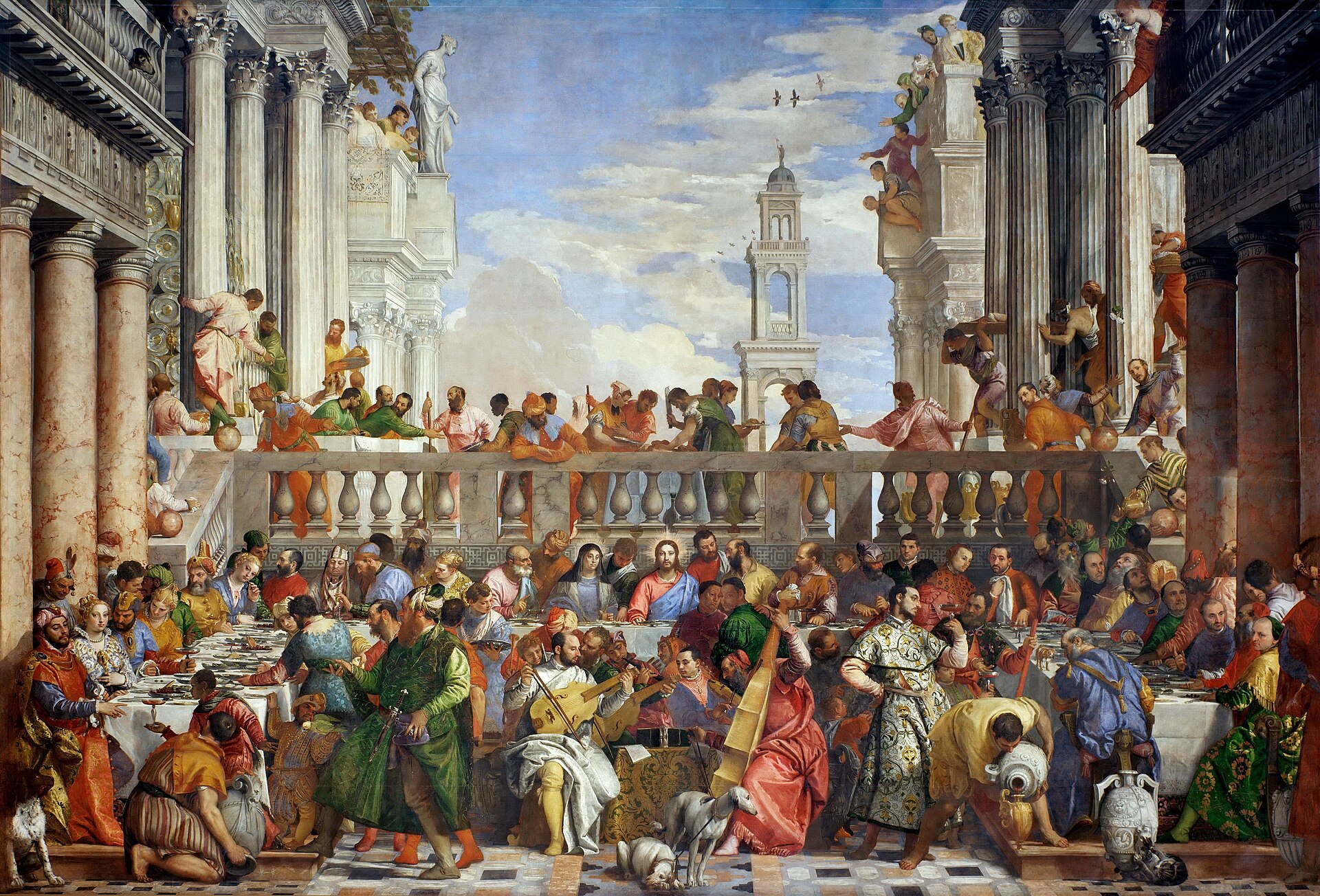
The wedding at Cana is where Jesus performs his first miracle. This is the event that serves as a launchpad into Jesus’s public ministry. From this moment on, he will become very well known as a miracle worker, and as the one who can help those who are convinced that they are helpless and unseen.
“They have no wine,” Mary tells her son. These are the words of a concerned, bystander who sees the need of others and knows there is no one else that can help other than Jesus. Mary’s role toward our children is revealed in these words: she pleases our cause before her son at every moment in heaven. Her wish is to communicate what worries us so that she can care for all of her children.
The family at the wedding would have been extremely embarrassed without the aid of Jesus. Not only would they have felt shame, but they would’ve been known for the rest of their lives as the ones that did not provide when all gathered to celebrate them on their important day. This was no superficial problem.
To us, this might not seem like a big deal. However, the things that we worry about the most and fear the most are personal to us. If others were to find out about things we need help with they might not understand why it was so critical to receive aid. The wedding at Cana highlights the fact that God cares about the small things that worry us. There is no worry that we have that does not cause Him to worry as well. As a perfect Father, all He desires us to care for us and protect us.
Mary’s words also convey the fact that the wine running out is unfixable. There are far too many people at the wedding feast and these celebrations would last days. There’s nowhere that they could go to get what they needed. Mary’s words show that their cause is helpless. They have nothing left. We can feel this way as well, when we look at issues in our family, illnesses, among our loved ones, troubles at work, or simply the brokenness of our culture. We can feel as if there is nothing left to give. We can convince ourselves that there is no reason to hope that things could get better.
In the midst of these false beliefs, Jesus shows that all things are possible with God. Whenever we feel like all is lost, we are invited to turn to Jesus through Mary. When we do, water will turn into wine like it did at Cana. The seemingly impossible becomes possible when we place our lives in the hands of Christ.
“Do whatever he tells you.” These are the words that Mary gives to the waiters. Jesus directs them, not to fill the original wine vessels with water, but to fill the Jewish ceremonial jars with water. Clearly, Jesus is pointing to the fact that his miracles are not just about physical signs. They pointed to a deeper spiritual reality. This is a foreshadowing of the wine that Jesus will take at the last supper. It is this wine which will become his blood that will purify the world. There will no longer be a need for ceremonial washing. We will be cleansed for the actions of Christ, and we will be purified by allowing him to act through us.
The blood of Jesus on the cross washes away sin. The wine that Jesus creates from water was known as the sweetest wine they served at the wedding. The wine that will become his precious blood is the sweetest gift we can receive because it brings about new life.
The connection between the hopeless nature of running out of wine, and the miracle that Jesus performs becomes more evident when we prayerfully reflect on these details. In the face of the brokenness of the world and our own personal sin, we can foolishly convince ourselves that there is no way things can be fixed. Today, Jesus shows us that when we cling to him, all realities can be restored and renewed.
So reflect on the things that make you feel hopeless. Bring them to Jesus and Mary. Tell them that you have nothing left. And then watch as Jesus fills you up with his own sacrificial love. It is this love they can conquer any brokenness. It is this love that we are invited to encounter each day to remind us that the brokenness and darkness never win.
Thomas Griffin is the chairperson of the religion department at a Catholic high school on Long Island where he lives with his wife and two sons. He has a masters degree in theology and is the Founder and Editor-in-Chief of Empty Tomb Project: The Magazine. He is the author of Let Us Begin: Saint Francis’s Way of Becoming Like Christ and Renewing the World.
Join Our Email List
Get new content delivered directly to your inbox.
 Empty Tomb Project