
Thomas Griffin 5/27/24
Join Our Email List
Get new content delivered directly to your inbox.
Read “Empty Tomb Project: The Magazine”
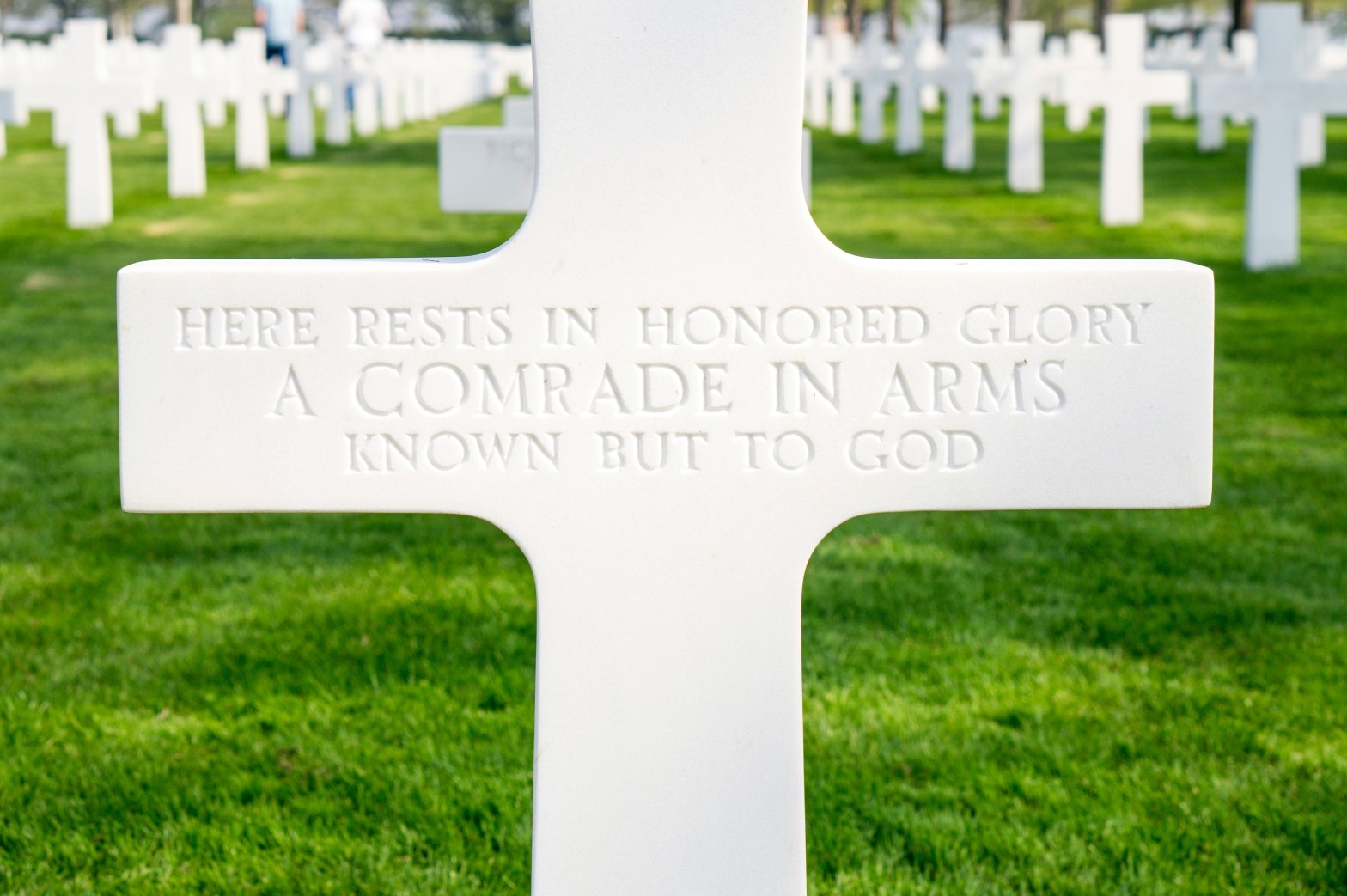
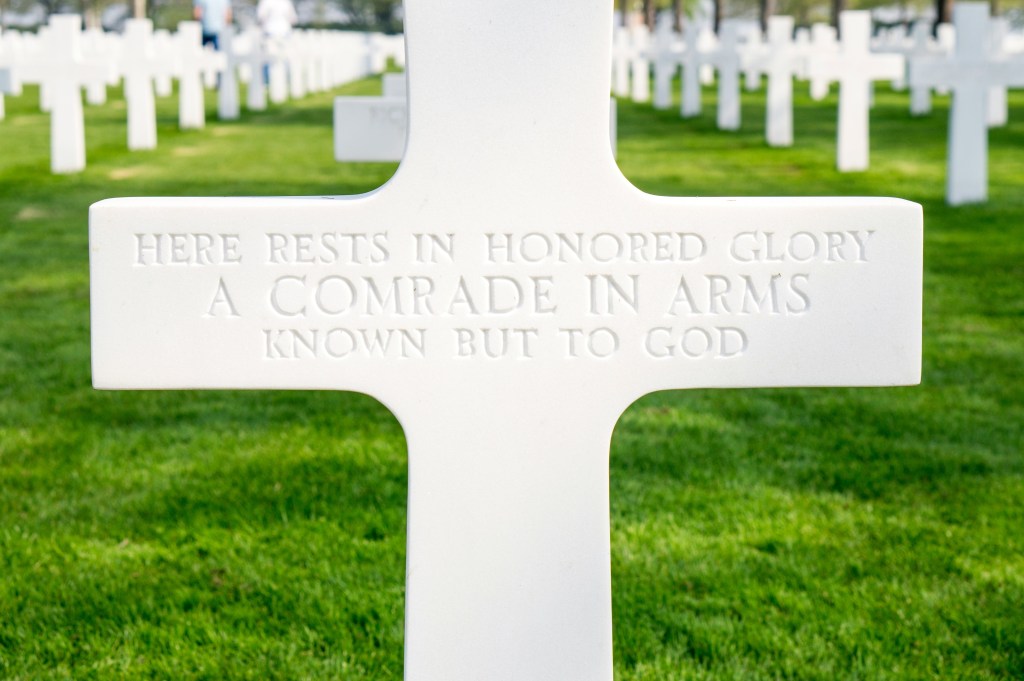
Every year, the country takes a pause at the end of the month of May to pay homage to our veterans. We remember the sacrifices that others made so that we could live with the freedoms we have today. We are asked to call their service to mind, especially those veterans who gave their lives in combat. We are also invited to be grateful for our amazing country in a more intentional way.
Memorial Day is really important. A country that does not give honor to those that died so that we can live in peace is a country that is less alive. To remember is defined as to “have in or be able to bring to one’s mind an awareness of (someone or something that one has seen, known, or experienced in the past).” As human beings we can do this on both simple and profound levels.
We can remember what we ate for dinner last week and we can remember how amazing it was to attend a NBA playoff game with our best friends. We also do this when we think about those that we love who have died or when we call to mind the details surrounding the birth of a child or our wedding day. When we remember something we are attempting to make contact with something that has already happened. We desire to make it present, in some way, again.
Depending on the level of seriousness, calling something to mind can deeply move us. Memorial Day is like that. If a person has a loved one (a son, daughter, friend, parent or grandparent) who died in the line of duty their experience of this day is radically different from someone who does not even know someone in the armed forces. Their attachment to a person who died makes this day more real for them.
In our life of faith we can deeply benefit from reflecting on this fact about Memorial Day.
In our Catholic faith we use the word “memorial” as a way to describe what happens at every single Sacrifice of the Mass. However, we are not simply calling to mind a past event. We are not merely making ourselves more aware of God. Every Mass makes present the mysteries of Christ’s suffering, death and resurrection. Neglecting to fully understand this will radically diminish one’s experience and appreciation of the Catholic Mass.
So, what exactly do we mean when we say the Mass is a memorial?
Jesus Christ – body, blood, soul and divinity is made present through the power of the Holy Spirit and the priest praying the words of institution over bread and wine. “Take, eat, this is my body…take, drink, this is the blood of the new covenant.” Through these words Jesus is present on the altar, in the bread and wine. Then the priest says “do this in memory of me.” These six words are the key to the Mass and the biggest secret of how Sunday is the most powerful memorial day. Truly understanding them will make each Mass more alive and life changing.
The word Jesus used and is translated as “memory” is anamnesis. This word does not mean to call to mind a past event in one’s mind. Anamnesis literally means “to make a past event present, now.” So, when Christ was at the Last Supper with his closest friends he was telling them that when they take bread and wine and recite these words that he will be present with them. Specifically, he was referencing what would happen to him the next day on Good Friday.
At each Mass, we enter into the one moment in time when Jesus gave his life on the cross for you and for me. That is why this moment is so sacred. That is why we kneel. Access to this moment is made possible because of the type of moment it is and because of the person who performed the action.
Christ’s death defeated the power of death. So, now even if you die you will rise with Christ (John 11:25). Jesus is God. We can access the divine moments of our salvation even after they occur.
Death impacts every single person who has ever lived. When you are born you enter into time. When you die you enter into death. Death is a reality that exists outside of time. In order for Jesus to destroy death he enters death (outside of time) and dismantles its power. Therefore, the saving moments of Jesus’ suffering, death and resurrection can be accessed throughout all of time. They are moments that exist, outside of time.
When the priest recites the words of institution at Mass, we can picture a veil being lifted (like the curtain in front of a stage). Behind that veil is Christ hanging on the cross out of love for you and for me. Behind that curtain stands the risen Christ who conquered death and is truly present in our midst in the bread and wine. Every single Catholic Mass is God’s Memorial Day. However, we are not simply calling to mind what He did, we are there with him.
To understand this truth of the Mass is critical for every person in attendance. Mass is not entertainment. Mass is like a funeral, except the one who was killed is alive today. When we call to mind those who gave their lives for our country today we can also call to mind the loving sacrifice of Christ who gave us everlasting life through his death.
However, if we desire more than simple remembrance, go to Mass. Experience the past, made present. Experience the heart of our God who gave us the most true and powerful Memorial Day wherever the Sacrifice of Love is celebrated.
Thomas Griffin is the chairperson of the religion department at a Catholic high school on Long Island where he lives with his wife and two sons. He has a masters degree in theology and is the Founder and Editor-in-Chief of Empty Tomb Project: The Magazine.
Join Our Email List
Get new content delivered directly to your inbox.
 Empty Tomb Project